JCC
JCC  J Camps
  Gordon Center
About the JCC
Who We Are
Sports & Wellness

About Sports & Wellness
Featured Programs
Youth & Family
About Youth & Family
Featured Programs
Arts & Culture
About Arts & Culture
Jewish Life
About Jewish Life
Rabbi Ariel Platt
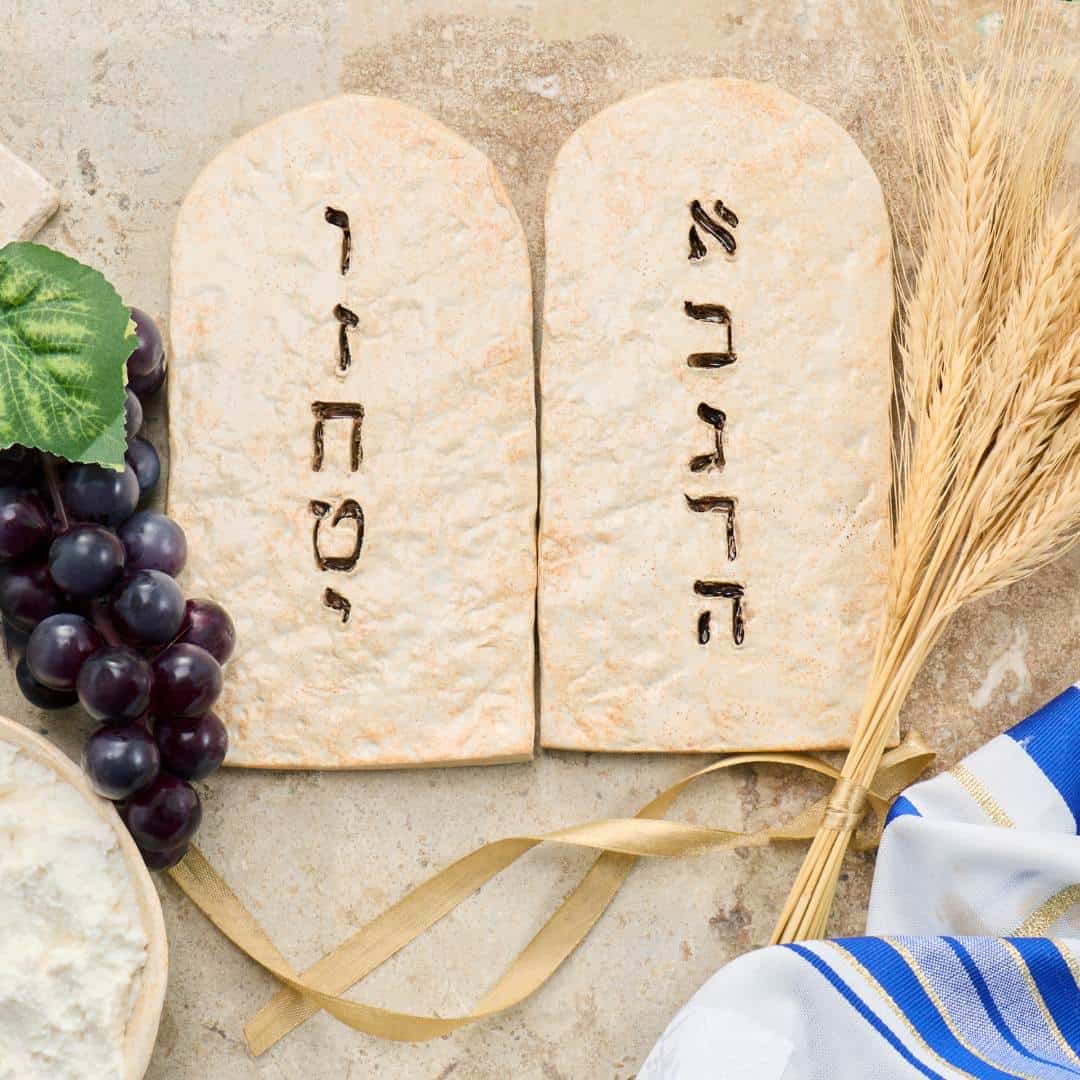
Tonight, Thursday, May 21, begins the Jewish holiday of Shavuot*, which continues through the evening of Saturday, May 23rd. Shavuot commemorates the giving of the Torah at Mount Sinai and is also deeply connected to themes of harvest, gratitude, learning, and revelation.
One of the most beloved Shavuot traditions is eating dairy foods — cheesecake, blintzes, cheese-filled pastries, and other sweet favorites. While there are many interpretations behind this custom, one of the most meaningful connects to the biblical description of Israel as a “Land of Milk and Honey,” symbolizing abundance, nourishment, sweetness, and promise.
Another explanation comes from the moment the Israelites received the Torah at Mount Sinai. According to tradition, after receiving new dietary laws, the people were not yet prepared to properly prepare meat according to these new practices, so dairy became the simplest and most immediate meal to share. Over time, dairy foods came to symbolize purity, simplicity, and spiritual nourishment.
There is also something beautifully universal about dairy itself. Milk is among the very first forms of nourishment we experience in life — associated with comfort, care, growth, and sustenance. Honey represents sweetness and joy. Together, “milk and honey” paints a picture not only of physical abundance, but of emotional and spiritual fulfillment as well.
But perhaps the deeper invitation of Shavuot is to think about what our own version of paradise looks like.
When we imagine a “land of milk and honey,” we often picture the things that truly sustain us — not just materially, but emotionally and spiritually. For some, paradise may look like a bustling dinner table filled with family and laughter or sitting on the beach with a drink in your hand. For others, it may be a quiet morning with coffee and sunlight, meaningful work, good health, strong friendships, purpose, or simply peace of mind.
Shavuot encourages us to pause and ask:
What nourishes me most deeply?
What brings sweetness and meaning into my life?
And how can I help create more of that for others?
In a world that constantly pushes us, this holiday reminds us to appreciate the blessings already around us while continuing to build a more compassionate, thoughtful, and hopeful future for ourselves and our communities.
As we celebrate Shavuot, may we all take a moment to reflect on the people, values, and experiences that make life rich with our own version of “milk and honey.”
Wishing a meaningful and joyful Shavuot.
Chag Sameach!
Shavuot in a nutshell:
Traditions: Staying up all night studying (in honor of receiving the Torah), reading from the Book of Ruth and Song of Songs, and eating dairy (symbolizes “the Land of Milk and Honey” among other reasons)
Shavuot “Weeks” last stop of the 7 week period of the Omer starting on the 2nd day of Passover
One of 3 pilgrimage holidays, meaning people used to travel to the Temple
Harvest Festival – festival of the first fruits, and celebration of spring
Commemorates receiving the Torah at Mt. Sinai