JCC
JCC  J Camps
  Gordon Center
About the JCC
Who We Are
Sports & Wellness

About Sports & Wellness
Featured Programs
Youth & Family

About Youth & Family
Featured Programs
Arts & Culture

About Arts & Culture
Jewish Life

About Jewish Life
By Rabbi Ariel Platt
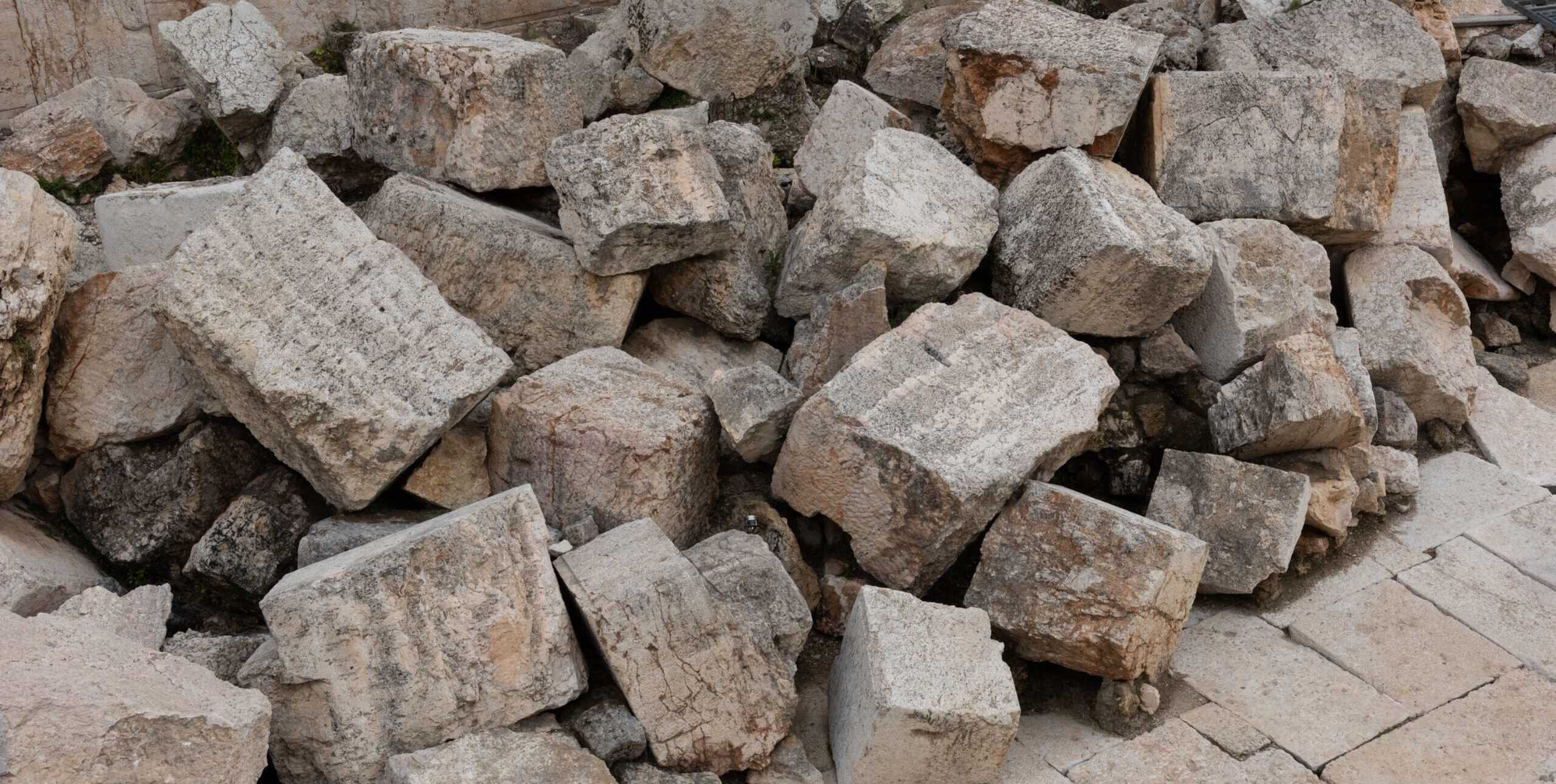
Beginning this Saturday at sundown through Sunday, August 3rd at sundown, the Jewish community observes Tisha B’Av—the 9th day of the Hebrew month of Av. It is one of the most solemn days on the Jewish calendar, commemorating the destruction of both the First and Second Temples in Jerusalem (586 BCE and 70 CE), as well as other tragedies that have marked Jewish history.
Tisha B’Av is a communal day of mourning, a time when Jews around the world pause to reflect on sorrow, loss, and the brokenness that exists both in our history and in our world today.
The central practices of Tisha B’Av—fasting, refraining from washing, using perfumes, wearing leather shoes, or engaging in comfort—are all physical ways to connect with a sense of sadness and vulnerability. During services, it’s customary to read from the Book of Lamentations (Eicha), ancient poetry that gives voice to pain and longing.
And yet, Jewish tradition powerfully embraces both joy and sorrow. Holidays like Purim and Sukkot celebrate abundance and happiness, while Tisha B’Av teaches us to sit with grief. Both are part of the human experience, and both are honored. The message is profound: there is hope after heartbreak, strength after struggle.
We all encounter moments when life feels shattered—personally, communally, or globally. Tisha B’Av reminds us that while we cannot avoid sorrow, we are never meant to stay in it forever. We pick up the pieces. We rebuild. We find light again. As King Solomon wrote, “Seven times the righteous fall and rise again” (Proverbs 24:16).
No matter your background, this day can be a meaningful invitation to reflect, to honor brokenness, and to hold space for the healing that follows.