JCC
JCC  J Camps
  Gordon Center
About the JCC
Who We Are
Sports & Wellness
About Sports & Wellness
Featured Programs
Youth & Family
About Youth & Family
Featured Programs
Arts & Culture

About Arts & Culture
Jewish Life
About Jewish Life
J Baby: Where Little Ones Grow and Lifelong Connections Begin
October 15, 2026
By Stephanie Ziman, Assistant Director of Infant Toddler, Stoler Early Learning Center
For me, J Baby is much more than a class for babies and their caregivers. It’s a full-circle experience that brings together my love of teaching, my own parenting journey, and the sense of community that makes the JCC so special.
Long before I was leading these classes, I was a brand-new mom walking through the doors of the JCC, hoping to meet other parents, make friends, and find a place where my family could feel connected. I had no idea at the time just how meaningful those early experiences would become.
My journey began with Mommy and Me classes taught by Linda and Sharon. I have so many wonderful memories of attending classes with each of my daughters, watching them discover new things, and forming friendships with other families along the way. Those classes became an important part of our early years as parents and introduced our daughters to the warmth and traditions of the Jewish community. Adam and I even took Baby Lamaze classes at the JCC, and we are still close friends with families we met there all these years later!
Over the course of my teaching career, I’ve had the privilege of teaching Mommy and Me classes at the JCC, complementing the Shalom Baby classes I’ve taught in other settings. To now be part of creating those same meaningful experiences for a new generation of families makes this community feel even more like home.
More Than a Class: A Place to Connect and Belong
At the heart of J Baby are Jewish values that have always been important to me: community, kindness, and welcoming others. These values shape the experience from the moment families walk through the door. Whether you are new to the JCC, new to the Jewish community, or simply looking for a place to connect with other parents, J Baby offers a warm and welcoming space where everyone can feel supported.
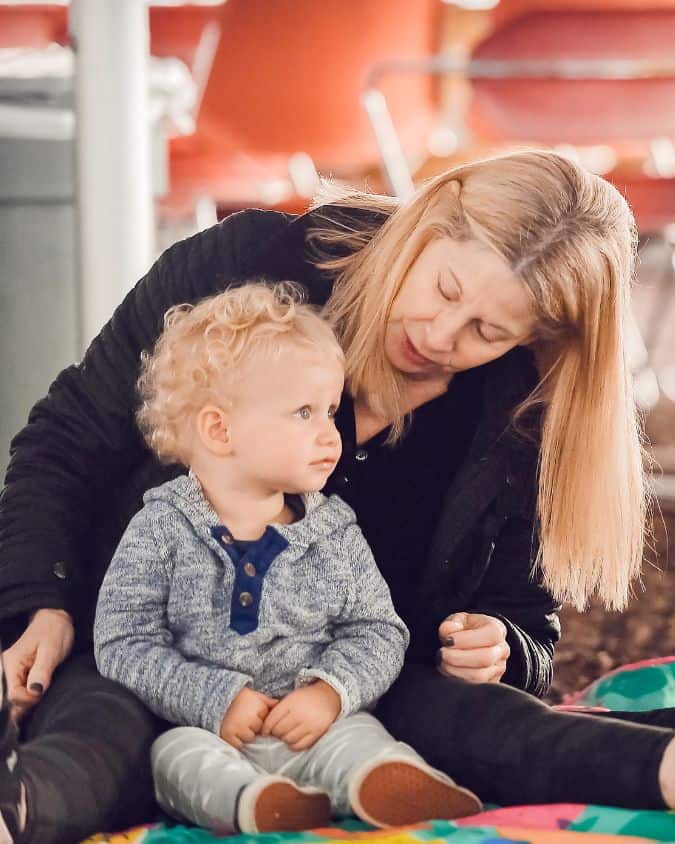
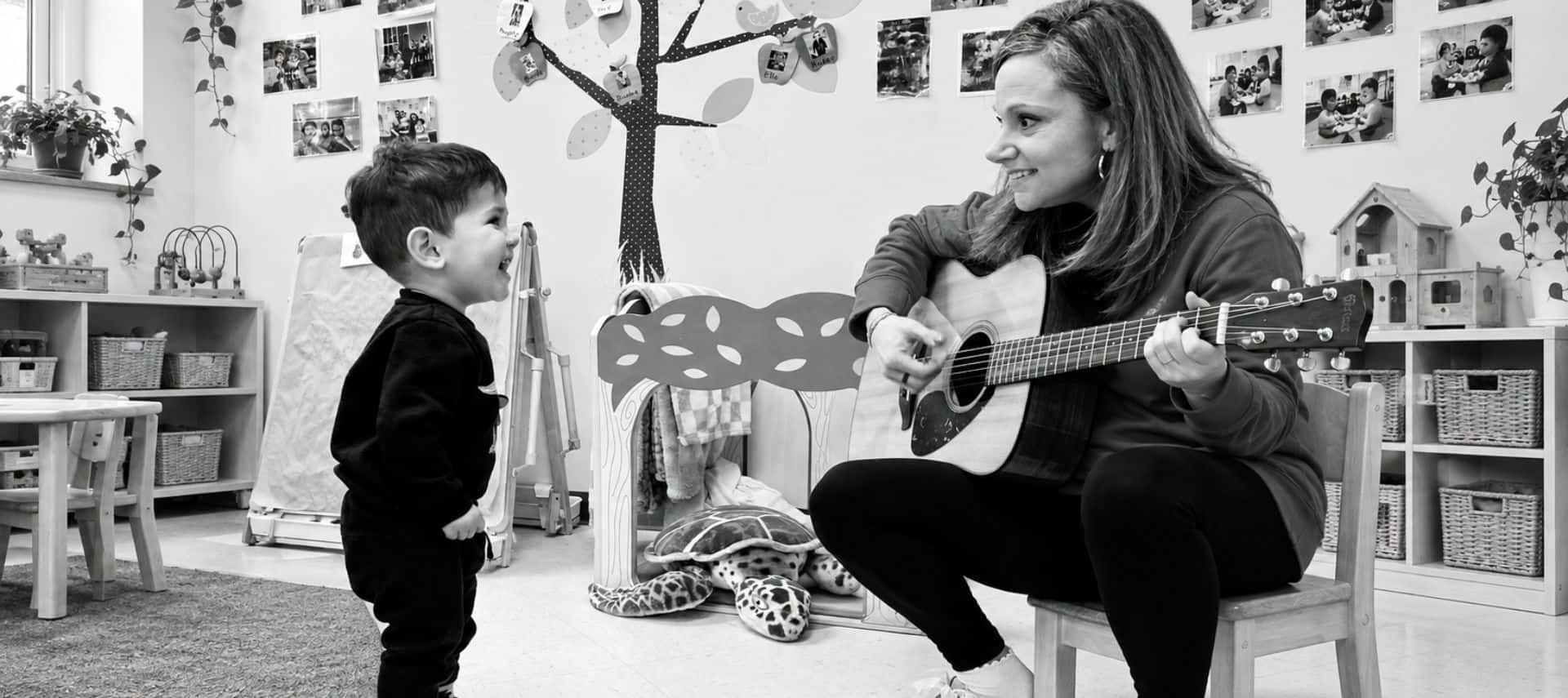
Parents often ask what happens during a typical J Baby gathering. Of course, there is plenty for little ones to enjoy, including music, movement, sensory exploration, and opportunities to interact with other babies. Every class offers opportunities for discovery, connection, and fun.
But some of the most meaningful moments happen beyond the planned activities.
Parents and caregivers often arrive focused on creating a wonderful experience for their babies. Along the way, they discover something equally valuable for themselves: the opportunity to connect with people who understand this unique stage of life. There is something reassuring about sharing experiences, exchanging stories, celebrating milestones, and knowing that you are not navigating early parenthood alone.
Sometimes, the friendships that begin in class become friendships that last for years. I know because I experienced that firsthand.
The Moments That Make It All Worthwhile
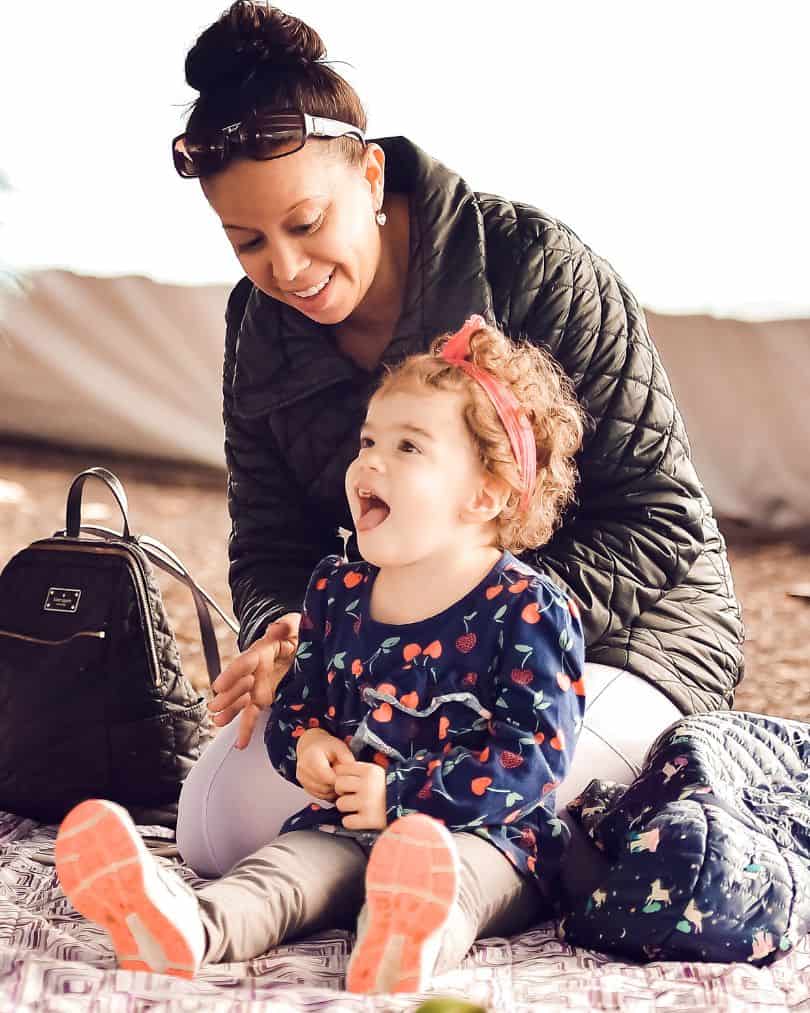
Throughout my teaching career, certain moments have stayed with me, reminding me why these classes are so special.
One of my favorites is teaching a class and suddenly realizing that the child in front of me is the child of someone I taught years ago. It is such a beautiful reminder of how community grows over time and how the connections we make can span generations.
Another is watching parents connect with one another while their babies experience something new for the very first time. Whether it is responding to a song, exploring a new sensory activity, or simply noticing another baby across the room, these little moments create opportunities for families to learn and grow together.
And the babies? They seem to love it all! From music and movement to sensory experiences and the excitement of being around other children, there is always something new to explore. Watching their curiosity unfold while seeing parents relax, engage, and begin forming connections is one of the most rewarding parts of what I do.
Come Find Your Community at J Baby
What makes J Baby so special to me is that families often arrive looking for an enriching experience for their babies and leave with something more: new friendships, a stronger sense of belonging, and a community they can grow with.
I know how meaningful that can be because I was once the new mom walking through those very same doors, hoping to find connection. The friendships, memories, and experiences that began here have stayed with me throughout my own parenting journey and career.
Now, I have the privilege of helping other families discover that same sense of connection.
If you’re a new parent or caregiver looking for a welcoming place to play, learn, and connect, I invite you to join us for J Baby! Come for the music, movement, and fun your little one will love, and stay for the friendships and community that may become an important part of your family’s story.
At J Baby, little ones get to explore the world around them, parents find people who understand their journey, and meaningful connections begin from the very start. I can’t wait to welcome you!
For more information about J baby, please visit Baby & Me Classes | JCC Baltimore Early Childhood